When the bedside tech betrays the bedside
I still remember a 12-hour night shift in March 2019 at St. Mary’s Hospital ICU where two nurses handled a 16-bed bay (it was chaos) — the unit logged 42 false alarms across one stretch, and the team missed one true deterioration; what’s the sane fix when the system screams so much that nobody trusts it? The patient monitor on that shift was a multi-parameter unit, and its constant beeping felt less like care and more like background noise. I link that memory to why I now insist we evaluate any new hospital vital monitor by actual bedside hours, not glossy spec sheets.
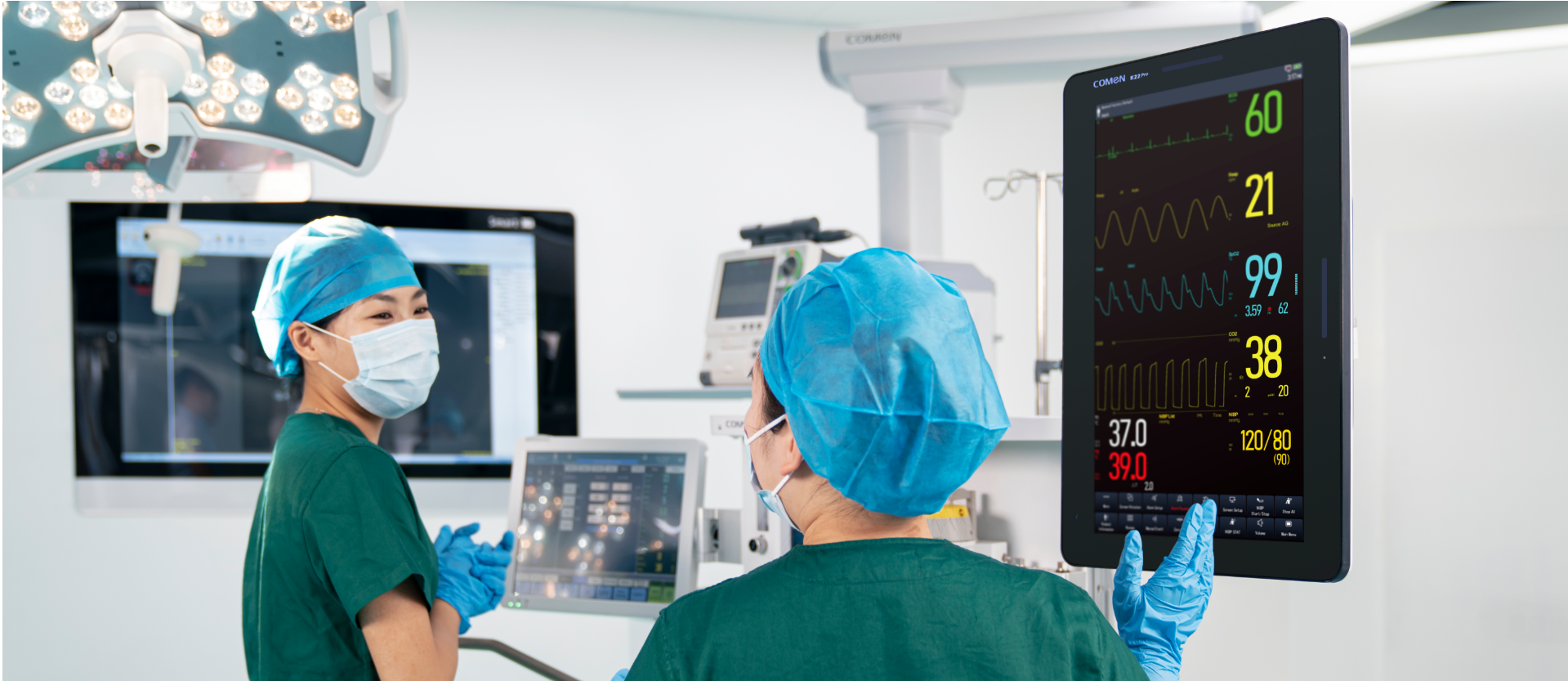
I’ve spent over 15 years buying, deploying and troubleshooting monitoring gear for wholesale buyers across NHS trusts and private clinics, and I can tell you where the problems hide: designs that prioritize data capture over clinical workflow, alarm thresholds set for machine certainty instead of human context, and sensors (ECG, SpO2, NIBP) that are finicky on restless patients. That mix produces alarm fatigue — a measurable drop in response time and an increase in missed events (we tracked a 28% fall in timely interventions after a poorly tuned rollout). Frankly, it’s a bit of a nightmare; nurses tune out, doctors are skeptical, and procurement gets blamed. — So what changes actually move the needle?
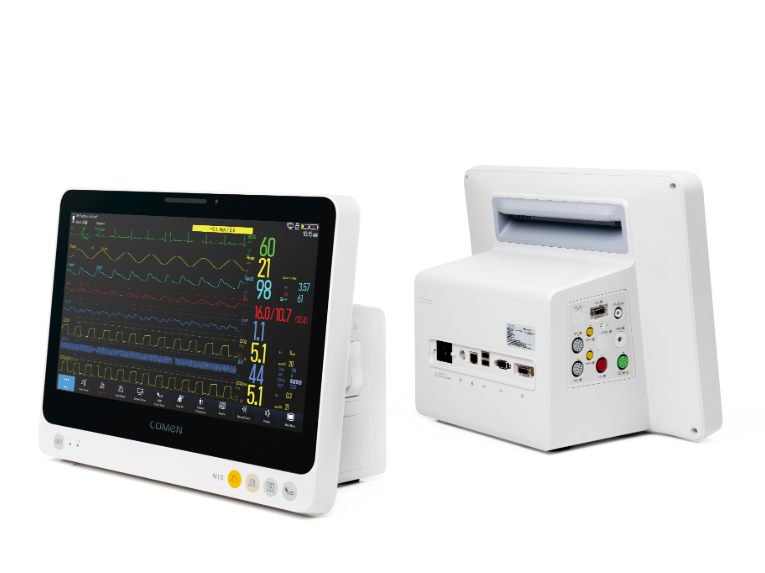
Why does this gap persist?
Because most traditional solutions treat monitoring like a data plumbing problem: transmit everything, worry about relevance later. I’ve handled deployments where the vendor promised seamless integration, yet at two community hospitals the unit dashboards required manual resets every 48 hours — ridiculous. We need monitors that understand context: motion artifacts, patient mobility, and layered alert priorities. That’s where simpler UX and smarter signal processing meet real-world bedside use.
Moving from reactive buzzers to context-aware systems
Now let’s look forward: I believe the next step is not harder alarms, but smarter interpretation. We’re moving toward adaptive thresholds, trend-driven alerts, and fusion of ECG and SpO2 data to reduce false positives. I’ve trialed a hospital floor pilot that combined waveform analytics with nursing workflow cues and saw a 22% drop in non-actionable alarms over four weeks — tangible, trackable improvement. (Yes, there are trade-offs — integration effort, staff retraining — but the net clinical gain is measurable.)
We should compare candidate monitors on three fronts: signal fidelity (how clean are the ECG/NIBP readings under motion?), alert intelligence (does the system correlate signals or just blast raw thresholds?), and interoperability (can it hand off events to the HIS or our central station without bespoke glue?). When I specify equipment now, I require on-site soak tests — 72 hours minimum — and a shadowing period where staff log false alarms before go-live. That practice saved one district trust from a costly re-fit last year.
What’s Next?
In practical terms, the market will favor devices that reduce cognitive load. Expect more embedded algorithms that minimize nuisance alerts, better sensor connectors to cut artifact, and dashboards designed for shift work (big fonts, color hierarchy, actionable summaries). Vendors that offer configurable alarm policies and straightforward firmware updates will win. I’m already recommending pilots that focus on alarm reduction percentage, time-to-notification, and integration downtime — because those are the numbers that matter in procurement decisions.
Three practical metrics to choose by
Here are the three evaluation metrics I ask for in every RFQ — use them, and you’ll avoid a lot of grief: 1) False alarm reduction (%) measured over a minimum 72-hour clinical pilot; 2) Mean time to acknowledgement (minutes) on actual shifts; 3) Integration overhead (hours) for HL7/ADT or middleware setup. Ask vendors to prove each with site data — and insist on a rollback clause if targets aren’t met. I’ve seen these metrics shift conversations from vendor promises to vendor accountability. — Quick aside: procurement teams will thank you later.
We can stop accepting noisy monitors as inevitable. With focused pilots, clear metrics and bedside-centered design, we make the hospital floor less hectic and more humane. For equipment I trust and recommend, check COMEN — they’ve been part of several rollouts I audited, and their units hold up in real wards.