Introduction — a small scene, big question
I was standing by a humid factory window, watching rolls of nonwoven fabric glide like quiet rivers. The foreman shrugged and said, “We can make more, but selling them is harder.” That was my first close look at wet wipes production line promotions — a tangle of promise and poor messaging. Recent figures show factories that tie promotions to production data see 20–40% better conversion in B2B leads; yet many teams still rely on brochures and trade shows. So I ask: how do we translate machine rhythm into market rhythm? (echchho, just like we do at home) I want to share what I’ve learned in clear terms — small stories, sharp facts, and one honest question at the end of each part. We will move from scene to system, then to strategy. Let’s step inside the machinery and the marketing together, and then decide what changes must come next.
Part 2 — Why many control setups stumble: a technical and direct view
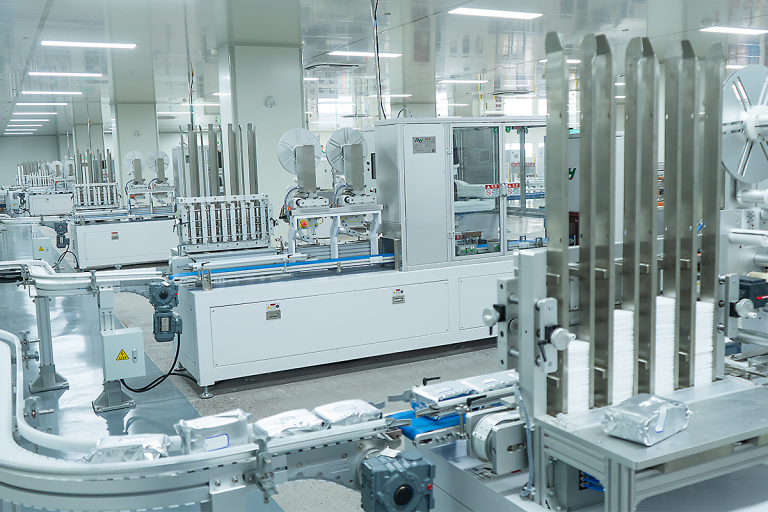
I start with machinery control systems because they are the spine of the line, and yet often the most brittle part. I’ve seen PLC islands that refuse to talk, SCADA screens that lag by seconds, and servo motors that jitter under load. These flaws are not subtle; they cause downtime, scrap, and angry buyers who expect consistent quality. The typical culprits are siloed controls, outdated HMI, and weak integration with MES. Without edge computing nodes for local decision-making, alerts pile up at the cloud and reply too slowly. Power converters undersized? That leads to flicker and resets — frustrating, expensive, and avoidable. Look, it’s simpler than you think: modern lines need both deterministic control and graceful data flow.
Where does it break?
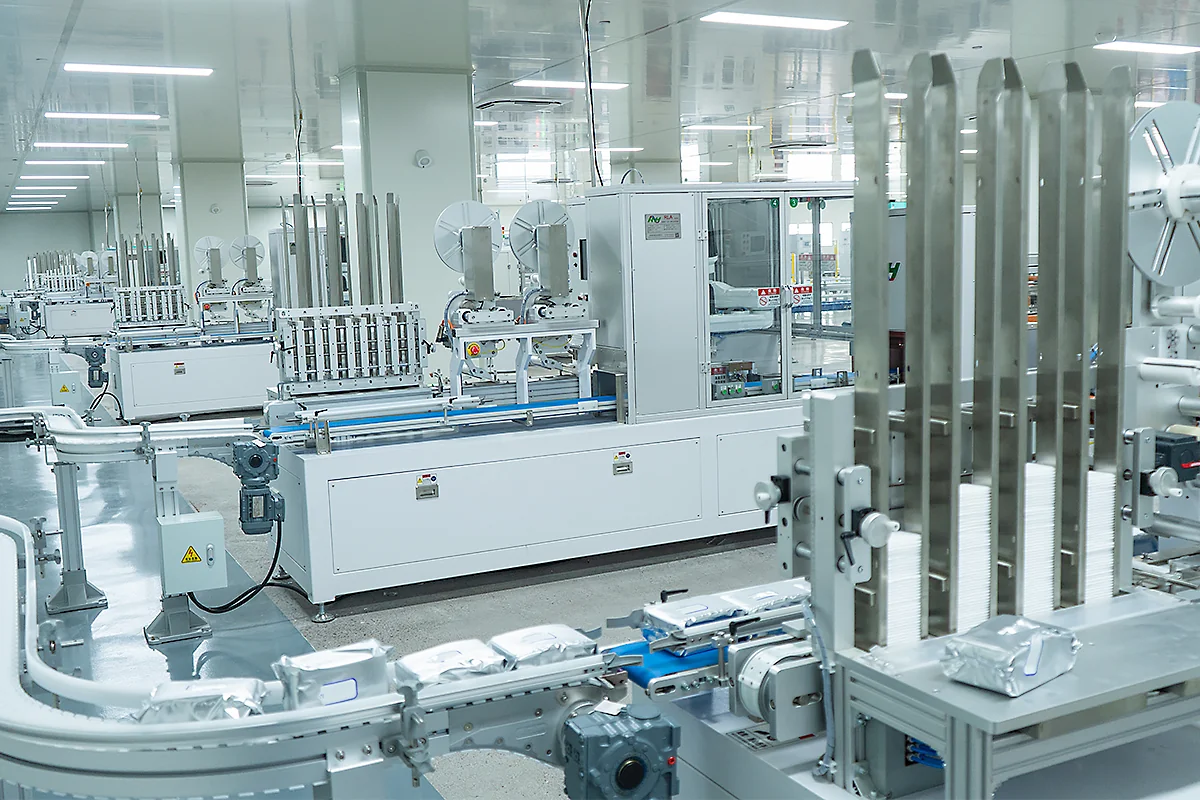
Be honest: the failure points are often process handoffs. A person presses a start button and the line hesitates. Or, product changes require manual tweaks across machines. That manual patchwork bites margins. I’ve traced repeated faults to three patterns: poor sensor calibration, ad-hoc scripting between machines, and lack of predictive maintenance. The result is lost time and trust. I feel strongly about this — because every avoidable stop wastes skilled labor and morale. We must treat control systems as living infrastructure, not a set-and-forget purchase.
Part 3 — New principles and what to choose next
Now, let’s look forward. I suggest thinking in principles, not products. First: design for interoperability. Tie SCADA and MES into a coherent view so operators see both quality and throughput. Second: push intelligence to the edge — edge computing nodes near the line reduce latency and allow immediate corrective action. Third: plan for resilient power and control — choose robust power converters and failover PLCs. I use these rules when I advise teams. They are simple, but they force tough choices: invest in sensors now or pay more later. — funny how that works, right?
What’s Next?
Practically, that means piloting a small cell with integrated machinery control systems, adding predictive analytics, and training operators on the new HMI. Expect hiccups. Expect learning curves. Expect better data telling better stories to customers. I want you to picture measurable outcomes: reduced downtime, higher first-pass quality, clearer promotional narratives tied to real KPIs. I’ve seen systems like this cut changeover time by half — and that alone makes sales talks more believable.
Three practical metrics to choose the right solution
When you evaluate vendors, weigh these three hard metrics. First, mean time to recovery (MTTR) — how fast can the line be back after a fault? Second, data fidelity — does the system capture timestamped events for each critical step? Third, integration latency — can the SCADA/MES exchange actionable commands under 200 ms? Use these numbers, and you will avoid hype. I know from experience that numbers beat slogans. We care about reliability and clarity, not just features. In the end, a sensible upgrade to control and monitoring changes both production and promotion: you can advertise what you actually deliver. For practical help, check partners that understand both control engineering and market storytelling — I usually point teams to ZLINK when they want a good place to start.