Introduction: A Quiet Moment, a Hard Number, a Big Question
Have you ever paused in a lab corridor and wondered why a tiny change at induction can sway an entire study? I have, and the data push me to ask more—especially when a small animal anesthesia machine sits at the center of every procedure. Recent audits show variability in recovery times and respiratory events that trace back to equipment setup and operator choice (about 18–22% variance in one multi-center review). That gap causes delays, lost data, and stress for animals and teams alike. So what small, deliberate upgrades actually move outcomes in the right direction?
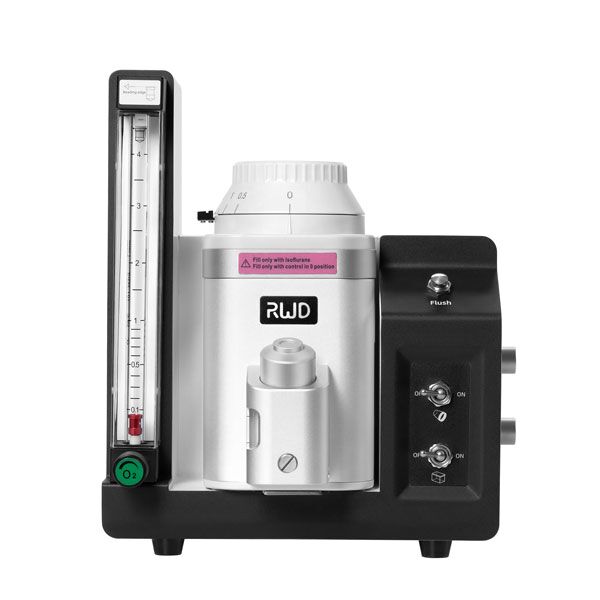
I’ll walk through what I’ve seen work and what still trips people up. We’ll look at real device elements, user habits, and the small fixes that compound into safer anesthesia runs. This is less theory and more practical cause→effect: change the flowmeter or vaporizer, and you change gas delivery — which changes physiology. Next, we’ll dig into the parts that hide problems, starting with the most-used item on the bench.

Part 2 — Hidden Flaws and User Pain: The Mouse Anesthesia Chamber Story
I want to call attention to the mouse anesthesia chamber because it sits at the frontline of most induction steps. In practice, the chamber often masks issues: uneven gas mixing, stagnant corners, and poor scavenging. These flaws are not glamorous, but they matter. Technically speaking, a mismatched vaporizer setting combined with a noisy flowmeter can yield under- or over-anesthesia in minutes. That cascade affects respiration, thermoregulation, and recovery curves.
Look, it’s simpler than you think to miss these details. I’ve seen teams rely on an induction chamber without checking seal integrity or flow dynamics — and then wonder why end-tidal values wobble. Common pain points include inconsistent oxygen delivery from an oxygen concentrator, poor scavenging system placement, and outdated ISO-standard checks. When a technician skips a leak test or assumes the vaporizer is linear, the result is unpredictable dosing. I don’t mean to be alarmist — but I do mean to be practical: fix the chamber flow profile, and many downstream problems shrink. — funny how that works, right?
Why does the chamber matter so much?
Because it’s the interface between machine and animal. A well-designed chamber, used correctly, stabilizes concentration quickly. A poorly used one introduces lag, which then forces human correction — and humans make adjustments with variable precision.
Part 3 — Looking Forward: Practical Principles and What to Evaluate
Moving forward, I favor small, principle-driven upgrades rather than wholesale replacements. For example, refining flow dynamics and adding simple monitoring at the chamber entrance gives real-time feedback. New principles emphasize modular components: a calibrated vaporizer, inline flowmeter, and a scavenging port that sits close to the chamber exit. When paired with better training, these changes reduce variation without complex retrofits. The mouse anesthesia chamber can be the hub of this tidy improvement if teams commit to routine checks and small hardware tweaks.
What’s next is pragmatic. Start with a case example: swap an unchecked chamber for one with a verified seal and add a simple flowmeter. You’ll likely see steadier induction times and fewer re-doses. I’ve watched that happen in a small series of trials — measurable, modest, but consistent gains. To choose the right updates, evaluate devices on a few clear metrics below. These are the three I rely on when advising labs:
1) Accuracy of gas delivery (how close delivered concentration is to setpoint). 2) Response time of the system (time to reach target concentration at the animal interface). 3) Ease of routine verification (how simple it is to perform leak tests and calibrations).
I’m not selling hype. These are practical checks that tell you if a change will matter. If you want a starting point that blends reliable hardware with straightforward service, consider the options from BPLabLine. They won’t replace good technique — but they do help make small gains that add up.