Introduction
Precision beats guesswork in packaging. In retail, square perfume bottles live or die by first impressions and repeat use. Picture a merchandiser in Makati at 7 a.m., rushing to restock when two “identical” lots show slightly different glass tones—sayang, because the brand story slips in seconds. In audits across beauty aisles, returns tied to finish or fit can hover in the low double digits, and it often starts with tiny flaws you can’t see at a glance but customers feel in hand. So, what should teams actually measure when “it looks okay” isn’t enough—cap fit, shoulder symmetry, or that subtle edge chamfer that catches light? (Sige, let’s break it down.) We’ll compare what counts and where tests fail, so your specs don’t just pass on paper—they perform in the wild. Here’s the frame we’ll use to cut through the noise and align teams fast.
Hidden Friction in the Supply Chain
Why do specs still fail?
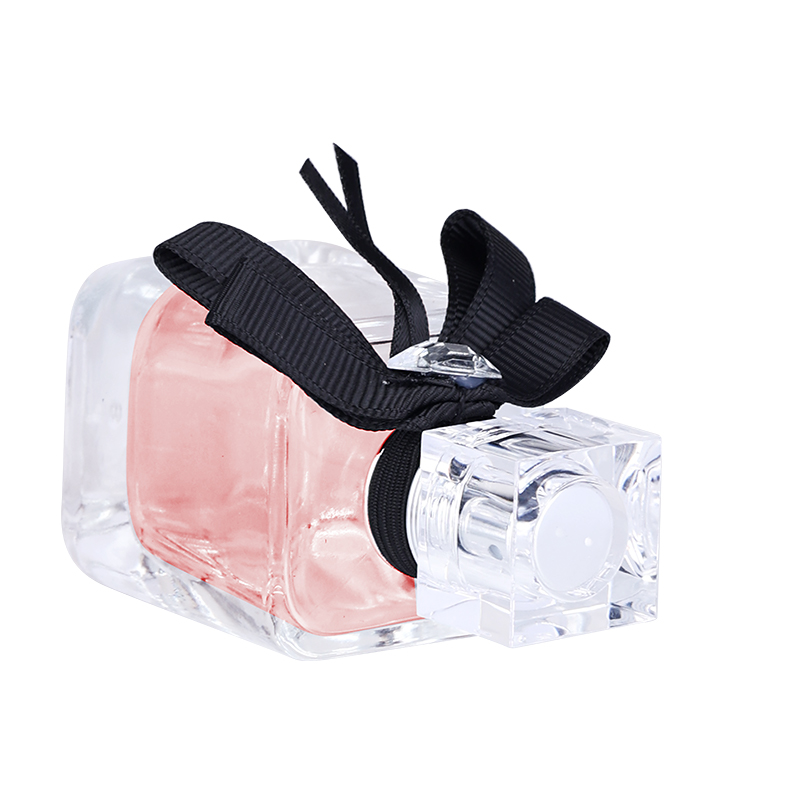
Many buyers assume square glass perfume bottles factories live and die by millimeter numbers alone, but the real pain points hide between tests. Look, it’s simpler than you think: a bottle can clear dimensional tolerance on a CMM and still wobble with a cap because the crimp neck wasn’t gauged under load. Edges look crisp under desk light, yet uneven cooling after the annealing lehr makes one face warp under hot-filling or UV curing. Silk-screening aligns on a flat jig, then shifts on the shoulder radius when ink stretch meets a different mold cavity. QA checklists love pass/fail, but fragrance lines feel gradients—hand feel, light bounce, closure torque. And yes, symmetry is seen, not only measured. The gap is not bad data; it’s partial data.
Another friction point comes from process translation—drawings and golden samples drift once volume ramps. A spec calls for a square base with a +/- tolerance, but the mold alignment slowly shifts across runs. Cartons compress in transit; the first row looks glossy, last row looks dusty—funny how that works, right? Standard AQL sampling misses those edge cases, and the result is subtle: a logo loses registration by a hair, or atomizers sit proud by half a millimeter. Teams then argue aesthetics versus compliance while customers judge with their thumb and forefinger. The cure is not more forms; it’s tighter feedback loops that connect design intent, process control, and aesthetic checkpoints in one story.
Next-Gen Controls vs Old-School Checks
What’s Next
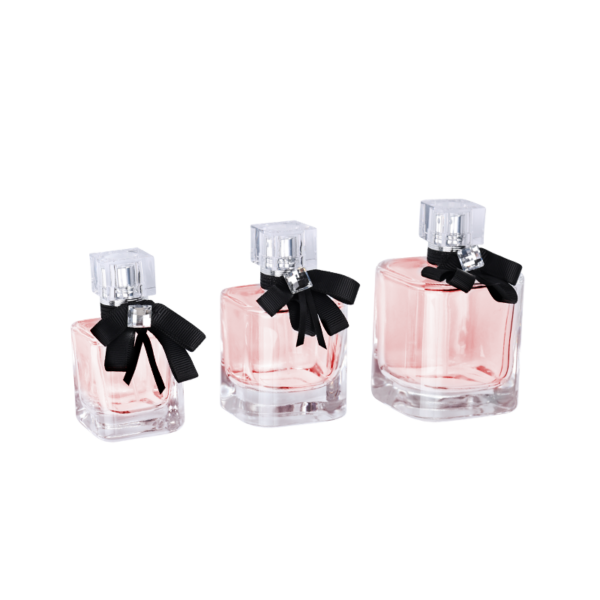
Forward-looking plants stitch together new technology principles to make “pretty and precise” repeatable. A modern line at a square glass perfume bottles factory pairs machine vision with SPC, so edge symmetry and shoulder angle are tracked in real time, not only at end-of-line. Digital twin models simulate glass flow and cooling before the mold ever meets heat, reducing warp risk where faces meet corners. Edge computing nodes sit beside conveyors to flag drift within minutes, while operators get clear alerts instead of vague dashboards. This isn’t hype; it shortens the loop from “we think” to “we know.” Under that loop, decorative steps—like silk-screening and UV-curable varnish—get verified on the exact geometry, not just a flat panel. As a result, brands stop “tuning” fix after fix and start holding steady across lots and seasons.
So, how should buyers compare suppliers without drowning in charts? Use a simple, comparative lens that folds in both feel and physics. First, verify functional fit under real use: cap torque and crimp neck stability with filled weights, not dry tests. Second, check aesthetic repeatability at scale: run-in data from machine vision, not only first-article approval—small runs lie, big runs tell the truth. Third, demand process visibility: traceable SPC logs by cavity, not batch-only rollups, so you can spot a stubborn mold early. These three metrics turn style debates into shared language. They also honor the real-world story from earlier—small misses compound fast. Keep the tone calm, the steps clear, and the checks close to the line. With that, you aren’t just measuring; you’re benchmarking choices that hold up in store and at home. And that’s what counts for teams, customers, and the brand behind the glass. NAVI Packaging