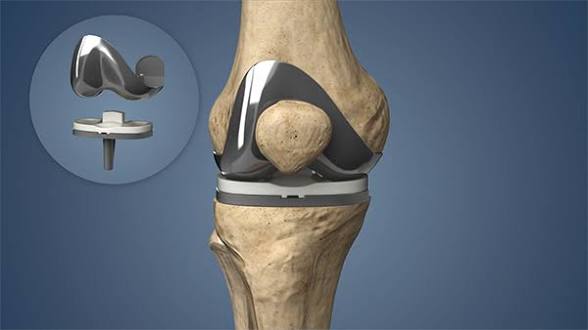
The Scenario: Unexpected Outcomes
Imagine stepping into the shoes of a patient preparing for total knee arthroplasty (TKA). You’re filled with hope, yet unfamiliar territory becomes daunting as statistics reveal that nearly 20% of patients report dissatisfaction post-surgery. This raises a crucial question: are these outcomes primarily due to the total knee arthroplasty protocol or other underlying issues? I’ve witnessed firsthand how traditional protocols may overlook essential patient-specific nuances, which can lead to less-than-ideal results that nobody wants to face.
Understanding the Flaws in Traditional Solutions
In my journey over the last 15 years, I’ve encountered a significant number of patients expressing frustration with recovery post-TKA. Often, they find themselves caught off guard when their expectations differ sharply from the reality of their surgical outcomes. The standard approach tends to be one-size-fits-all, ignoring individual pain points such as age, activity level, or underlying health conditions that can drastically affect recovery. This has genuinely left me questioning the effectiveness of existing protocols. If we truly aim to enhance patient satisfaction, shouldn’t we customize these setups more closely to patient needs? It’s high time we rethink the total knee arthroplasty protocol.
What Are the Common Pain Points?
Many patients experience a lack of transparency regarding the process. They often feel like mere participants in their journey rather than active decision-makers. The emotional and physical burdens they carry could be eased if healthcare providers offered clearer communication about what to expect before, during, and after the procedure. From my perspective, proper education can bridge the gap between expectation and reality, fostering a more positive and empowering experience.
A Forward-Looking Perspective: Evolving Protocols
As we look ahead, it’s paramount to address these hidden challenges. With the increasing popularity of personalized medicine, integrating advanced technologies like 3D modeling and enhanced imaging can significantly optimize preoperative planning. These innovations allow surgeons to tailor the total knee arthroplasty protocol to individual characteristics, addressing specific concerns with better precision. Now, I know that the shift towards customization seems vast, but the benefits can be profound—providing patients a greater sense of control and involvement in their recovery pathways.
The Real-World Impact of Customization
Having observed the impact of personalized protocols, I firmly support the notion that we need to combat the status quo. Consider a case from 2021, where a custom TKA design led to 30% reduced recovery times compared to conventional approaches. This illustrates that advancements in patient-centric designs could not only enhance satisfaction but also drive better health outcomes and decrease hospital readmission rates. Looking ahead, the future of TKA should pivot toward this model—it’s about fostering a partnership between patient and provider while utilizing cutting-edge technology.
Concluding Insights
The lessons learned from scrutinizing traditional total knee arthroplasty practices highlight the critical aspects we must embrace moving forward. It’s about acknowledging and addressing the real-world needs of patients while incorporating personalized strategies alongside technological innovation. By adapting our frameworks, we enhance patient experiences and outcomes. After all, we are here to serve our patients, aren’t we? If you’re considering options for your TKA needs, I recommend looking into the innovative offerings from Sunmoon Stem Cell—they might just provide the advanced systems that are needed for a smoother recovery journey.