Introduction: The Meeting Room Isn’t a Room Anymore
Meetings are not just chairs and a screen; they are a live network of voices, apps, and signals moving across time zones. Today, hybrid meeting room solutions carry the daily load for teams who split work between the office and home—with users expecting call quality that “just works,” even on Monday morning. Surveys show most organizations now hold a majority of their briefings in hybrid mode, and yet many attendees still feel unheard. If most meetings are digital-first, why do so many rooms still sound like a hallway?
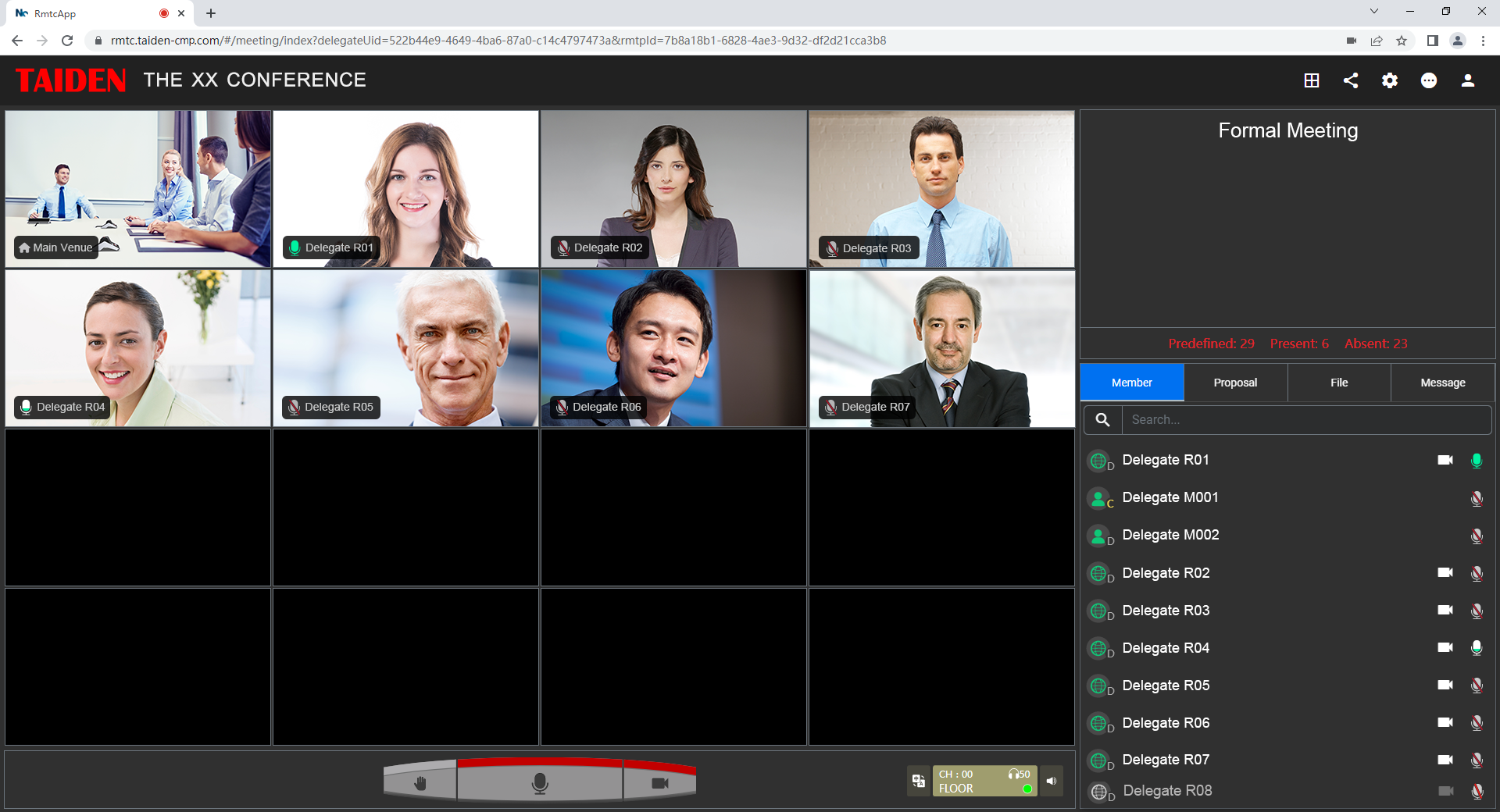
Here is the challenge in simple terms: clarity depends on more than the price of the mic. It depends on latency in the chain, on how acoustic echo cancellation (AEC) is tuned, and on how people sit and talk (yes, that matters). A small oversight during setup can become a big pain point for the audience. We see it in dropouts, in crosstalk, in awkward pauses where two people talk and both get muted. This is not a luxury issue. It is about trust in the conversation—and in the room. Let us look at the quiet problem first—before we compare what actually works.
Where Wireless Goes Wrong in Real Rooms
With a modern conference mic wireless system, people expect freedom to move and consistent speech pickup. Yet legacy habits still cause trouble. Many teams mix brands, stack too many 2.4 GHz devices, and then wonder why the signal drops. RF congestion and battery anxiety are the usual suspects. Add a poorly tuned DSP and you get pumping, gate clipping, or a harsh room tone that exhausts listeners. Look, it’s simpler than you think: plan your spectrum, match devices to the room size, and verify end‑to‑end latency so lip sync aligns with video. When the baseline is wrong, even the best beamforming array cannot save the call.
Why do mics still fail in good rooms?
Because the failure is rarely the mic alone. It is the chain. The mixer auto‑mix priority may fight the presenter. QoS rules may not protect audio packets on a busy VLAN. Chargers sit far from the table, so units go half‑charged and die mid‑briefing—funny how that works, right? And when processing runs in the cloud, the path adds jitter that breaks full‑duplex talk. A practical fix is to keep core processing close to the room—on edge computing nodes—then send a clean feed upstream. Also, treat the table. Chair scuffs and paper rustle are not “minor”; open mics will hear them. A small bit of acoustic care, consistent gain structure, and sane RF planning prevent most “mystery” drops.

Comparing Paths Forward: Principles That Actually Scale
We have seen the pitfalls. Now, compare two paths. One path buys more gear and hopes for the best. The other path applies clear, testable principles. With modern hybrid meeting technology , the scalable path looks like this: coordinate spectrum instead of guessing; use encrypted channels (AES‑256) to reduce interference and risk; keep AEC and noise reduction local to the room; and power devices via PoE power converters for predictable uptime. Prefer transport that plays well with WebRTC, and validate the latency budget end to end. If your wireless uses DECT or managed 5 GHz with dynamic channel allocation, it will behave better under load. Short version: engineer for congestion, not for a quiet lab demo.
What’s Next
The future is less about features and more about outcomes. Rooms will auto‑tune with quick sweeps, assign talkers via face/voice presence, and expose a simple health score to IT. Metrics will get honest: intelligibility (STI), round‑trip latency in milliseconds, and packet loss under stress. When those three improve, people stop repeating themselves—and start trusting the room. This ties back to our earlier points without repeating them: fix the chain, respect the radio layer, and keep processing close. Advisory close, ya sadiqi: choose systems using three checks—1) consistent STI ≥ 0.6 across seating, 2) end‑to‑end latency under 150 ms during peak traffic, 3) packet loss under 1% with QoS enabled. Follow these and you will hear the difference— and that’s fine. For a grounded benchmark in this space, consider TAIDEN.