Why Duplex Chandeliers Go Wrong (and How to Compare Better)
Here is the hard truth: scale and control, not style, decide success in a duplex foyer. You choose finishes, you shortlist a chandelier for duplex house, you visualize the drop over two floors. A chandelier supply company can ship fast and look on spec. Yet reworks happen too often—more than 30% of duplex installs need adjustments for height, glare, or wiring load. So what is the real blocker?
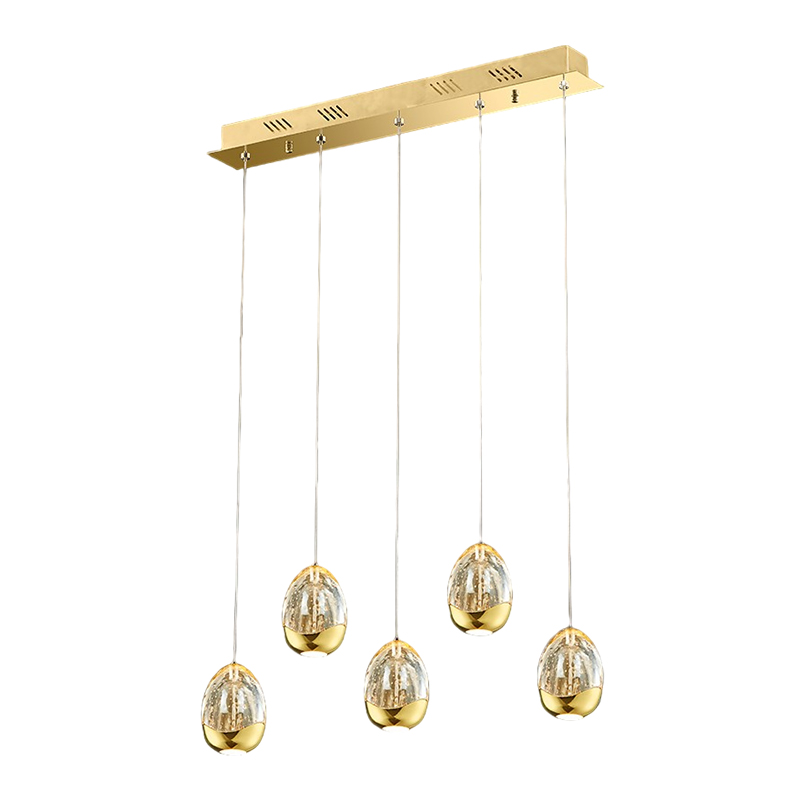
What’s the hidden issue?
In Part 1, we mapped the surface errors. Now we go deeper into user pain points. Stair voids create hot spots and dark wells. Mezzanine lines of sight magnify glare. Small misreads on lumen output, CRI, and beam spread compound—funny how that works, right? Traditional rods fix drop, but not balance. Power converters and constant-current drivers sit far from the heat path, so thermal management gets ignored. Then dimming feels jumpy because the protocol mismatches the driver topology. Look, it’s simpler than you think: the house is dynamic; the fixture must adapt. Without that, even a premium build feels off (and guests notice). Let’s move from problems to clear comparisons.
From Legacy Fixes to Smart Control: A Comparative Look for Duplex Spaces
Old way first. You pick a heavy statement piece, cut the stem, set a wall dimmer, and hope it plays well with the staircase and the loft. That method treats height as the only variable—and that’s the sticking point. Modern practice compares systems, not just styles. Modular pendants with segmented drops let you tune vertical rhythm. Remote drivers improve thermal management and power factor. Better yet, dimmable led chandelier lights pair with matched drivers, so 0–10V or PWM dimming curves stay smooth at low levels. The result: consistent lumen output, cleaner CRI, and fewer callbacks.
What’s Next
Here is the forward step. New technology principles push control closer to the space. Edge computing nodes can live in canopy boxes to manage scenes per floor. Daylight sensors trim output near the upper landing; occupancy nudges levels when stairs are active. Drivers report status, so predictive alerts reduce downtime. Compare that to phase-cut only triac dimmers on a long run—flicker risk rises, and driver stress follows. With networked control and compatible driver topology, duplex lighting stops being a guessing game and becomes a tuned system. It feels calm. It saves energy. It scales with future upgrades.
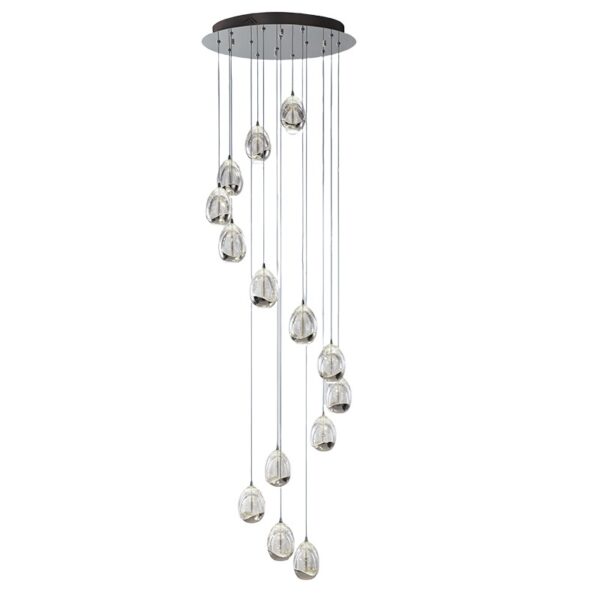
Advisory close: Use three simple metrics when choosing a duplex solution. First, scale fit: verify drop range, beam angle, and total delivered lumens at working height. Second, electrical integrity: match dimming protocol to driver type; check power converters, line voltage, and thermal paths. Third, control clarity: define scenes for foyer, stair, and mezzanine, and make sure commissioning is repeatable. Do this, and your choices get easier—and better. For reliable options and technical clarity, see kinglong.